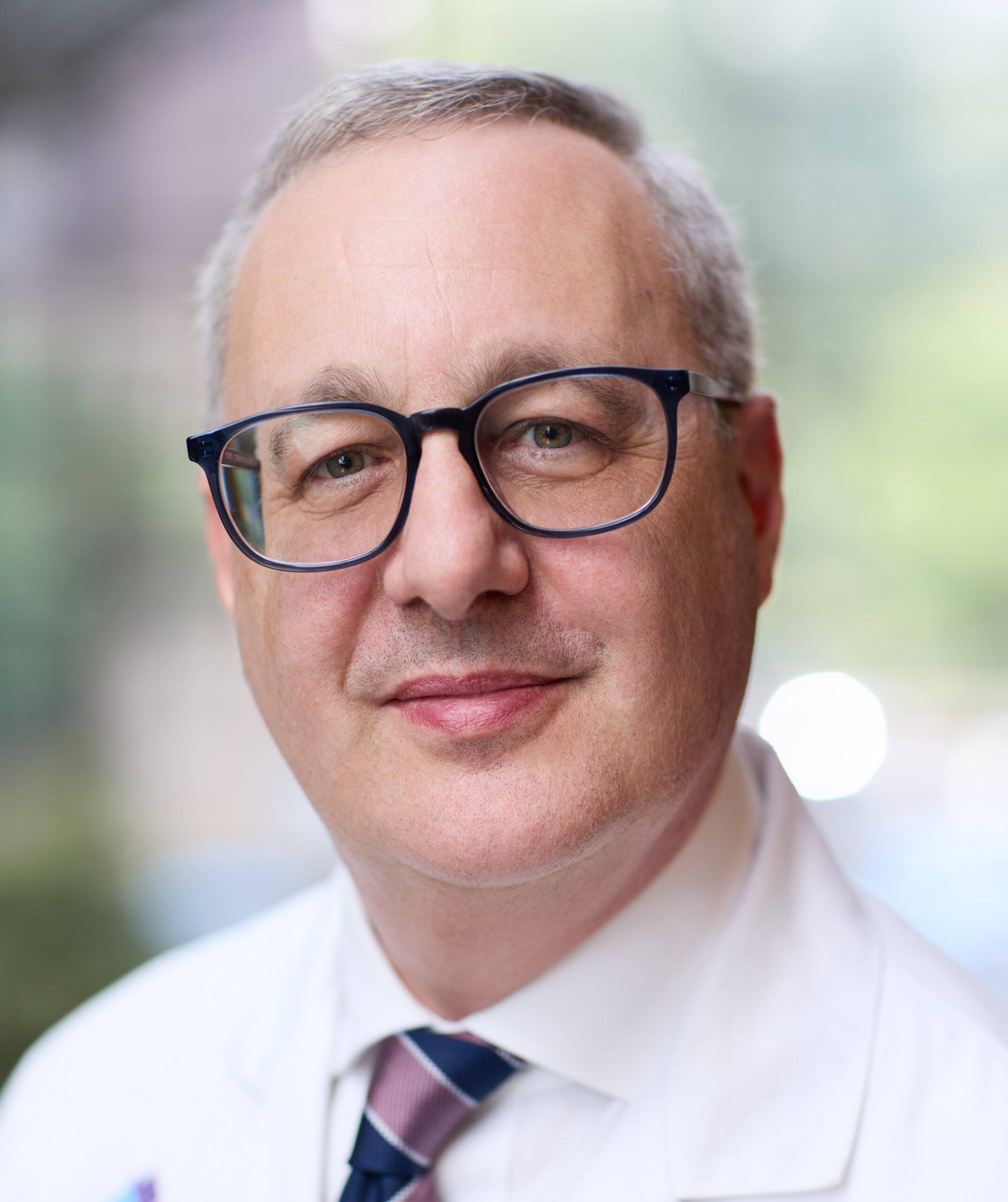
Executive Vice President and Enterprise Chief of Staff; The Melody and Steve Golding Chair for Digestive Disease; Professor of Medicine, Cleveland Clinic Lerner College of Medicine of Case Western Reserve University; Cleveland, OH

From establishing biologic therapy as a standard approach to preventing post-operative Crohn’s disease recurrence to creating the first IBD Medical Home, Dr. Regueiro has transformed both how complex IBD is treated and how care is delivered. His influence now extends across clinical care, research, education, and international healthcare, with innovator models he created continuing to reach patients and providers far beyond his own institution.
Considered the global expert in post-operative Crohn’s disease management, Dr. Regueiro’s research in this area has been groundbreaking, fundamentally changing how providers care for patients with Crohn’s disease.
Early in his career, while at the University of Pittsburgh School of Medicine (UPMC), Dr. Regueiro asked a question that would ultimately change the trajectory for patients undergoing surgery for Crohn’s disease: could a biologic therapy already used to treat active disease prevent it from returning?
At the time, recurrence following surgery was common, and there was no effective strategy to prevent it. Dr. Regueiro put the idea to the test in a landmark study demonstrating that infliximab was highly effective at preventing recurrence after surgery. Working with a team of gastroenterologists, surgeons, and biostatisticians he designed a randomized controlled study of Crohn’s disease patients undergoing surgery – half received placebo after surgery.
Among the 24 patients in Dr. Regueiro’s original study, only one patient who received infliximab experienced endoscopic recurrence compared with more than 80 percent of those receiving placebo. The results from this small study laid the foundation for PREVENT (Prospective, Randomized, Evaluation of Values and Efficacy), the pivotal multicenter international trial, Dr. Regueiro subsequently went on to lead. The trial confirmed the early findings and resulted in multiple high-impact publications that helped shape international guidelines and establish postoperative biologic therapy as a standard approach for high-risk patients.
Nearly 25 years later, Dr. Regueiro and the colorectal surgeons at Cleveland Clinic are once again questioning whether the conventional treatment path is always the best option or whether there is an alternative.
For patients with inflammatory Crohn’s disease confined to the ileum who have failed one advanced therapy, another medication is typically the next step, with surgery held in reserve. A new study could reshape the way physicians think about treatment after a first advanced-therapy failure. Dr. Regueiro and his team are enrolling patients with uncomplicated Crohn’s disease of the ileum who have failed one advanced therapy and randomly assigning them to either a second advanced therapy or surgical removal of the affected ileal segment. The study is designed to determine whether, for some patients, surgery followed by post-operative prevention may provide a better long-term outcome than years of cycling through medications.
Another of Dr. Regueiro’s significant contributions to the field came from recognizing that in caring for patients, treating the inflammatory disease is only part of the equation.
“When you take care of a patient you’re in for the long term – gaining their trust and building collaborative connections with the rest of the care team.”
Patients in his clinic were not just trying to manage the bowel symptoms related to IBD; they were also dealing with anxiety, nutritional challenges, medication costs, and relationship strains. Dr. Regueiro recognized the need for a multidisciplinary, holistic approach that addressed both the medical and psychological complexities of chronic illness.
He partnered with his Pittsburgh colleague, behavioral health specialist Dr. Eva Szigethy, a 2016 Sherman Prize Recipient, to build the first IBD Medical Home—a model designed around the whole person rather than the diagnosis alone.
The Medical Home brought together the expertise patients needed in one coordinated approach, incorporating gastroenterology, colorectal surgery, behavioral health, nutrition, pharmacy, social work, and other disciplines. Its first major publication in 2017 provided a blueprint that has since influenced care at other medical centers. What began as an approach designed for the complex needs of patients with IBD is now extending beyond the field, informing new models of care for other chronic diseases.
For Dr. Regueiro, creating the Medical Home was not the end of the journey; his commitment to improving how patients receive care has driven him to continually evolve the model as patients’ needs—and technology—have changed. Today, he is expanding the Medical Home into a “Medical Neighborhood,” incorporating digital health and artificial intelligence to provide behavioral health and nutrition advice on a patient’s phone to keep support within reach and bridge the gap between appointments.
“It’s the relationships with the patients and their families that will forever be with me. And that’s what’s really kept me going in this field.”
A physician whose impact now reaches far beyond his own patients, Dr. Regueiro is realizing his vision of a truly international approach to IBD care—one in which patients can benefit from shared standards, expertise and research regardless of where they receive treatment—through Cleveland Clinic’s Integrated Global IBD Program, which aligns physicians and researchers across Ohio, Florida, London and Abu Dhabi around shared approaches to care, research and education.
As part of that effort, his team has established an international IBD data registry and biobank examining differences among populations, environmental influences, and IBD “-omics.” By expanding the work beyond a single institution and ultimately incorporating other centers around the world, the initiative could reveal geographic and biological differences that lead to more individualized treatment for Crohn’s disease and UC.
Dr. Regueiro’s commitment to improving IBD care is equally evident in his extraordinary influence on education. He founded IBD Live, a virtual multidisciplinary educational program that has over 3,000 registrants and brings together more than 400 healthcare professionals attending its weekly sessions from around the world to discuss challenging IBD cases. The program provides an ongoing forum for shared learning and has generated research collaborations, been published in peer-reviewed journals, and provided a model that other disciplines and institutions are now adapting.
He has likewise played a defining role in the Advances in Inflammatory Bowel Disease (AIBD) conference. As co-chair, he has helped grow this meeting into one of the leading IBD educational meetings in North America, bringing together international experts, multidisciplinary specialists, and patient perspectives, and expanding the focus beyond physicians to advanced practice providers (APPs), nurses, and pharmacists. He has also helped establish its Fellows’ Educational Program and Ambassadors program, ensuring that trainees and young faculty have a dedicated opportunity to learn from and network with leaders across the field.
“Success for me is helping build up other people’s careers and building teams whose impact extends far beyond my own involvement.”
His dedication to developing the next generation of IBD specialists extends throughout his career. As GI Fellowship Director at UPMC for many years, and then as GI Chair and ultimately the Digestive Disease Institute Chief at Cleveland Clinic, Dr. Regueiro mentored trainees who have gone on to become national leaders in IBD. He has supported junior faculty development through REACH-IBD and created opportunities for fellows to participate in education and publishing. As the inaugural Editor-in-Chief of Crohn’s & Colitis 360, he helped establish a new patient-centered IBD journal, incorporating patient representatives into its editorial board and creating opportunities for junior physicians to become part of the publication process.
Despite his many leadership roles, Dr. Regueiro remains firmly grounded in clinical care. He describes himself first and foremost as an IBD physician, and many of the questions that have shaped his research have come directly from the patients he sees. His work has examined not only treatments and disease outcomes, but also quality of life and the extra-intestinal manifestations that affect patients beyond their gastrointestinal symptoms.
Across all of these accomplishments, one defining quality stands out: Dr. Regueiro’s unwavering determination to improve the lives of people living with IBD, particularly those with the most complex disease. He has transformed post-operative Crohn’s disease care, created an integrative model for whole-person care, and extended his vision through technology, education, and research. His impact is already reflected in the patients whose lives he has improved, the clinicians and trainees whose careers he has shaped, and the models he has created that are advancing IBD care around the world.

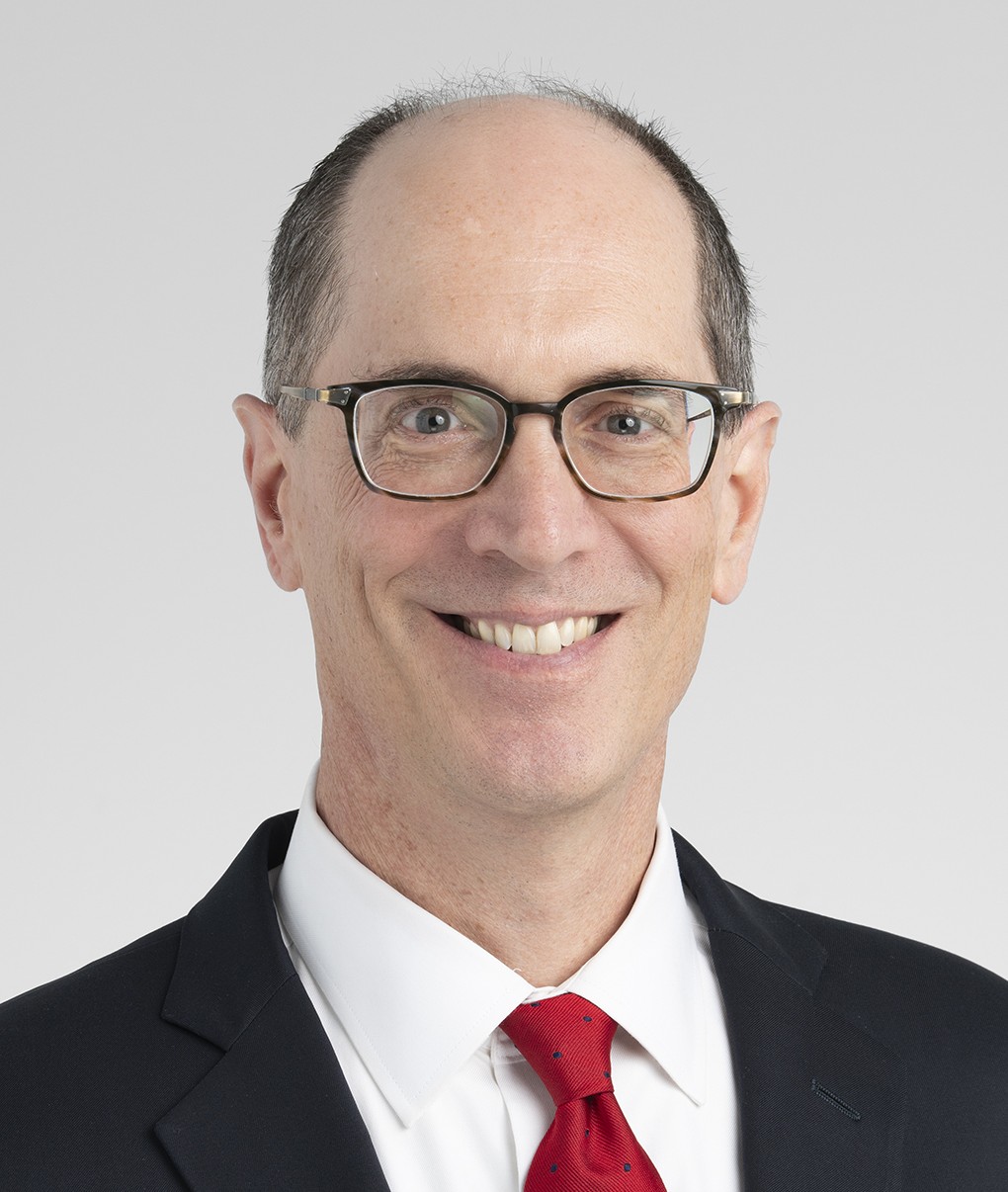
More about Dr. Regueiro